That One Habit Everyone in the UAE Has (But No One Talks About)
Life in the UAE looks fast, modern, and highly organized from the outside. People are busy building careers, managing expenses, and planning for the future. But behind this structured lifestyle, there are small habits that quietly define how people live every day. These habits are not discussed openly, yet almost everyone follows them. One such habit is surprisingly simple but deeply rooted in daily routine.
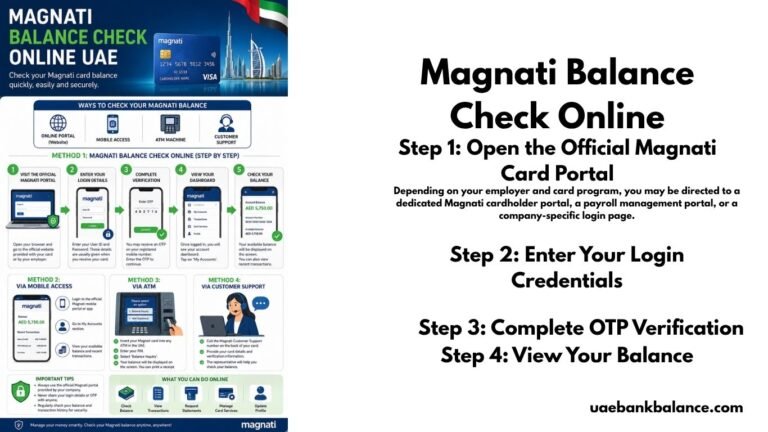
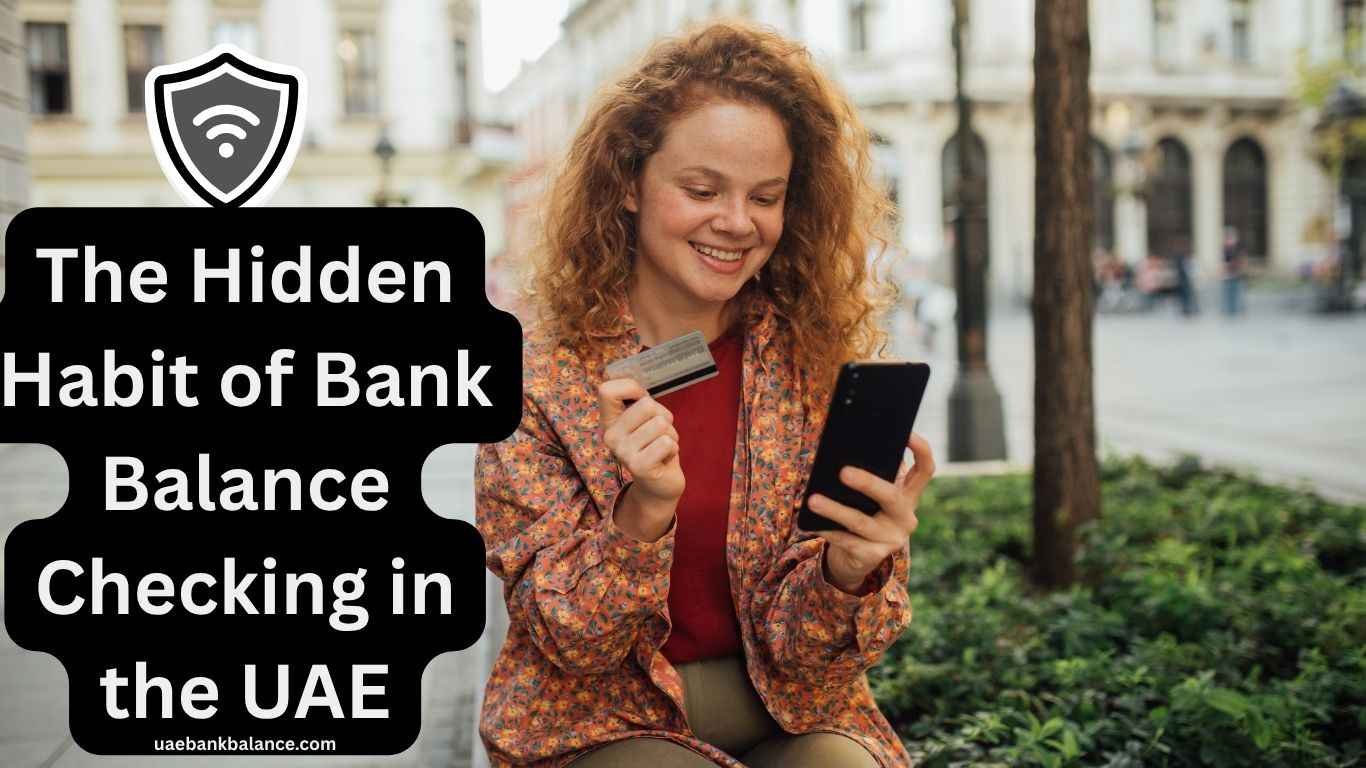
That habit is checking your bank balance repeatedly throughout the day. It may sound ordinary, but in reality, it has become a core part of how people manage their lives in the UAE. From morning to night, this action happens naturally without much thought. It reflects how closely people stay connected to their financial reality.
The Morning Routine Begins With a Balance Check
For many people in the UAE, the first action of the day is not getting out of bed or having breakfast. Instead, it is picking up the phone and opening the banking app. This happens almost automatically, without any specific reason or trigger. There is no major transaction expected, yet the habit continues daily. It has become a built-in part of the morning routine.
This early check acts as a quick update on personal finances before the day begins. It helps people understand where they stand financially without making any detailed plans. Even though it takes only a few seconds, it influences how the rest of the day feels. This simple action quietly sets the tone for everything that follows.
How Your Balance Affects Your Mood
The number you see on your screen has a strong psychological impact. If your balance looks stable or higher than expected, you feel more relaxed and confident. You become open to spending and making plans without hesitation. On the other hand, if the balance is lower, your mindset changes instantly. You start thinking more carefully about every decision you make.
This emotional shift happens without any major external change in your life. The environment stays the same, but your perception changes. It shows how deeply financial awareness is connected to daily emotions. Over time, this pattern becomes normal and almost unnoticeable.
The Mental Calculations That Happen Instantly
Checking your bank balance is not just about seeing a number on the screen. It immediately triggers a series of thoughts in your mind. You begin to calculate upcoming expenses without even trying. These include rent, groceries, bills, transportation, and other daily needs. Everything starts lining up in your head within seconds.
This mental process becomes stronger with time as people gain experience. Without formal training, individuals develop a sharp understanding of their finances. They learn to predict expenses and manage resources more effectively. This is one of the hidden benefits of constantly staying aware of your balance.
Midday Checks Without Any Real Reason
Another common pattern is checking the balance again during the day. This usually happens while at work, during breaks, or while casually using the phone. There is no real need to check, as no changes have occurred since the morning. Still, people open the app and look at the same number again. It becomes a repetitive action.
This behavior is not driven by necessity but by habit. The mind seeks reassurance, even when there is nothing new to see. It creates a loop where checking becomes a reflex rather than a conscious decision. Over time, people stop questioning why they do it.
Using Your Phone in Public Spaces
In the UAE, people spend a lot of time outside their homes. Cafés, offices, malls, and public transport are part of daily life. During these moments, mobile phone usage is constant. People check messages, emails, social media, and sometimes their bank balance as well. All of this happens naturally within the same flow.
Accessing financial information in public places has become completely normal. Most people do not think twice before opening their banking app anywhere. It shows how this habit has blended into everyday digital behavior. Convenience has replaced caution in many cases.
Small Financial Habits That Develop Over Time
As people continue this routine, they start building small financial habits without planning them. They begin to track transactions more carefully and remember where their money is going. They check their balance before making any decision or purchase. Spending becomes slightly more controlled over time.
Some individuals also take small steps to protect their data while using their phones frequently. For example, they may use tools like Free VPN Planet when switching between different internet connections. This is not something people openly discuss, but it becomes part of their daily system. These habits develop naturally as part of adapting to modern life.
The Night Check Before Ending the Day
At the end of the day, the habit repeats once again. Before going to sleep, many people check their bank balance one final time. This check feels different from the others. It is not about planning or curiosity but about reviewing the day. It shows the result of everything that happened financially.
This final check provides a sense of closure. People get a clear picture of their financial position before the end of the day. It helps them mentally prepare for the next day. Even though it is a small action, it completes the daily routine.
Why This Habit Is Strong in the UAE
This behavior exists in many parts of the world, but it is more noticeable in the UAE. The reason lies in the lifestyle and financial structure of the country. People manage fixed salaries, high living costs, and regular responsibilities. Many also support families in other countries, which adds more financial pressure.
Because of this, staying aware of money becomes very important. Checking the bank balance is the easiest way to maintain that awareness. It helps people stay in control of their spending and planning. Over time, it becomes an essential part of daily life.
Is This Habit Helpful or Harmful?
This habit has both positive and negative sides. On the positive side, it increases financial awareness and helps people manage their money better. It keeps individuals informed about their situation at all times. This can lead to better decision-making and improved control over expenses.
On the negative side, checking too frequently can create unnecessary stress. It can make people overly dependent on constant updates. Instead of helping, it may increase anxiety in some cases. The key is to maintain a balance between awareness and overchecking.
Final Thoughts
Small habits often have a bigger impact than major decisions. Checking your bank balance may seem like a simple action, but it plays a strong role in shaping daily life. In the UAE, this habit connects people in a quiet and unspoken way. Almost everyone follows it, even if no one talks about it openly.
It reflects a deeper need for control, awareness, and stability in a fast-moving environment. As life continues to evolve, this habit is likely to remain. And without even thinking, most people will continue doing it every single day.