Why Gold Trading Plays a Unique Role Within the Commodity Markets
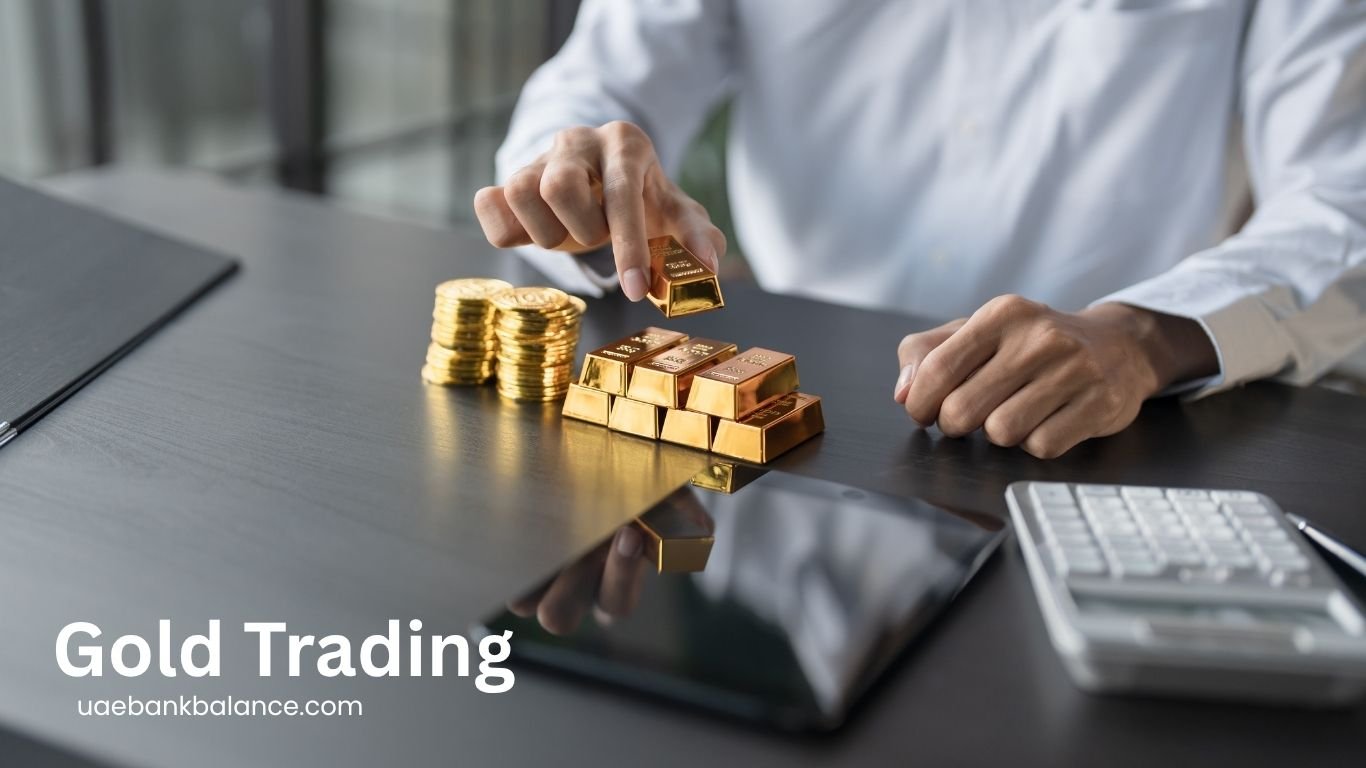
Commodity markets form the backbone of global trade, encompassing energy, agriculture, industrial metals, and precious metals. Within this diverse space, gold holds a distinctive position. While it falls under the broader umbrella of commodity trading, gold often behaves differently from other commodities, making gold trading a unique and widely followed segment of the market.
The Broader Commodity Trading Landscape
Commodity trading involves raw materials that drive economic activity—oil powers industries, agricultural products support populations, and metals enable infrastructure development. Prices across commodity markets are shaped by supply-demand dynamics, production cycles, weather conditions, and geopolitical factors.
These markets are typically cyclical, responding closely to economic expansion and contraction.
What Sets Gold Apart From Other Commodities
Gold differs from most commodities because it serves not only industrial or commercial purposes but also financial and monetary ones. For centuries, gold has been viewed as a store of value, a medium of exchange, and a hedge against economic uncertainty.
Unlike energy or agricultural commodities, gold demand is heavily influenced by:
- Inflation expectations
- Currency fluctuations
- Central bank policies
- Global financial stability
This makes gold less dependent on industrial consumption and more connected to investor sentiment.
Gold’s Role as a Safe-Haven Asset
During periods of economic stress, market volatility, or geopolitical tension, traders often turn to gold. When confidence in currencies or equity markets declines, gold trading activity tends to increase as participants seek stability.
This defensive behavior explains why gold prices sometimes rise even when broader commodity markets weaken.
Relationship Between Gold and Other Commodities
While gold is part of commodity trading, its price movement does not always align with other commodities. For example:
- Energy prices may fall due to reduced industrial demand, while gold remains stable
- Agricultural commodities may rise due to supply shortages, without affecting gold
This low correlation allows traders to use gold as a balancing element within a diversified commodity strategy.
When Traders Focus on Gold Trading
Gold trading is often preferred when:
- Inflation risks increase
- Interest rates fluctuate
- Currency values weaken
- Global uncertainty rises
In contrast, broader commodity trading may be favored during periods of strong economic growth and industrial expansion.
Combining Gold With Commodity Exposure
Many traders blend gold trading with exposure to other commodities to balance growth potential with risk management. This approach allows participation in economic cycles while maintaining protection against uncertainty.
Final Thoughts
Within the vast world of commodity trading, gold plays a special role that extends beyond supply and demand. Its ability to preserve value, respond to global uncertainty, and act as a hedge makes gold trading a strategic choice for many market participants. Understanding this distinction helps traders build more balanced and resilient market strategies.
Frequently Asked Questions (FAQs)
1. What are commodity markets?
Commodity markets are platforms where raw materials such as energy resources, agricultural products, and metals are traded. These markets play a crucial role in supporting global trade and economic activity.
2. What are the main types of commodities?
The major categories include:
- Energy (oil, natural gas)
- Agriculture (wheat, corn, coffee)
- Industrial metals (copper, aluminum)
- Precious metals (gold, silver)
3. How does commodity trading work?
Commodity trading involves buying and selling raw materials based on price movements. Prices are influenced by supply and demand, geopolitical events, weather conditions, and economic cycles.
4. Why is gold considered different from other commodities?
Gold is unique because it serves both as a commodity and a financial asset. Unlike most commodities, its value is influenced more by economic sentiment, inflation, and currency movements than by industrial demand.
5. What makes gold a safe-haven asset?
Gold is considered a safe-haven because investors tend to buy it during times of economic uncertainty, market volatility, or geopolitical tension, helping preserve value.
6. What factors influence gold prices?
Key factors include:
- Inflation expectations
- Interest rates
- Currency strength (especially the US dollar)
- Central bank policies
- Global economic stability
7. Does gold always move with other commodities?
No, gold often has a low correlation with other commodities. It can rise when other commodity prices fall, making it useful for diversification.
8. When should traders focus on gold trading?
Gold trading is often preferred during:
- High inflation periods
- Economic uncertainty
- Currency depreciation
- Financial market instability
9. How is commodity trading different during economic growth?
During strong economic growth, demand for energy, metals, and agriculture typically rises, making broader commodity trading more attractive compared to gold.
10. Can gold be part of a diversified trading strategy?
Yes, many traders include gold alongside other commodities to balance risk and return. Gold helps protect against volatility while other commodities offer growth potential.
11. Why do central banks hold gold?
Central banks hold gold as a reserve asset to maintain financial stability and hedge against currency risks.
12. Is gold trading suitable for beginners?
Gold trading can be suitable for beginners due to its high liquidity and global importance, but understanding market drivers and risks is essential before starting.