How Dubai Businesses Can Choose the Right Commercial Rental Vehicle
A commercial vehicle is not simply a larger rental car. For a Dubai business, it can become a moving part of the operating system: carrying parcels, tools, equipment, supplies or staff between warehouses, customer locations and project sites. A poor vehicle match can create wasted trips, loading problems and avoidable downtime.
The most effective way to evaluate car rental Dubai for business use is to begin with the task. Payload, cargo dimensions, route conditions, passenger count, loading method and rental period should guide the choice before brand or appearance enters the conversation.
Define the Job Before Requesting a Quote
A clear requirement produces a more useful quotation. Businesses should describe what will be transported, the approximate weight and dimensions, the number of passengers, the areas served and how often the vehicle will operate. A florist making city deliveries has a different requirement from a maintenance contractor carrying tools to multiple sites.
The operating environment matters too. Frequent urban stops may favour a compact van that is easier to manoeuvre and park. Bulky equipment may require an open pickup bed, while valuable or weather-sensitive goods may be better protected inside an enclosed cargo area. The rental company can only recommend responsibly when these details are shared.
Match the Vehicle Type to the Work
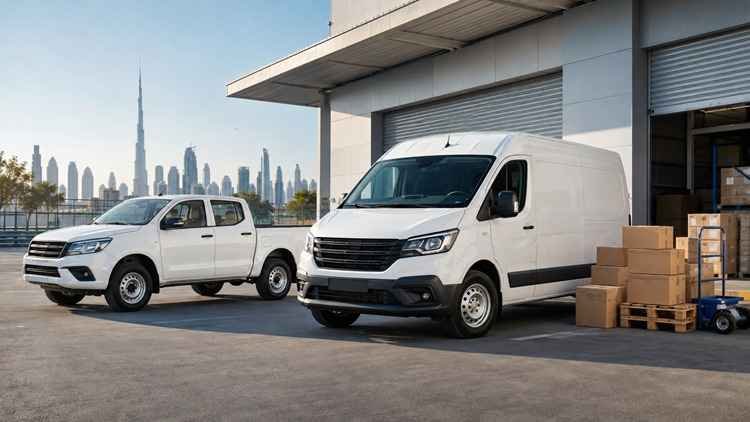
Cargo vans can suit courier routes, e-commerce deliveries, catering supplies and service businesses that need an enclosed load space. Pickup trucks can support tools, materials and site work where an open bed is useful. Crew or passenger vans may be considered for authorized staff transport, subject to seating, licensing and use requirements.
Light commercial vehicles can be practical for regular city call-outs where the load is modest and access is tight. Larger is not automatically better: unused capacity can make parking and route planning harder. The goal is sufficient legal capacity, safe loading and practical access for the actual job.
Payload and Cargo Dimensions Are Different
A common planning mistake is to focus on volume while overlooking weight. A load can fit physically but still exceed the vehicle’s permitted payload. The reverse can also happen: light but bulky items may require more cubic space even though they remain within the weight limit.
Before booking, the business should provide the heaviest expected load and the largest item dimensions. It should also ask about loading height, door configuration, tie-down points and any restrictions in the rental agreement. The renter remains responsible for safe, lawful use, so estimates should be conservative rather than optimistic.
Plan Around Routes and Access
Dubai operations can combine fast highways, dense commercial districts, warehouse zones and controlled-access sites in one day. Route planning should account for parking, loading bays, height restrictions, delivery windows and the driver’s familiarity with the vehicle. A van that works well between warehouses may not be the easiest option for repeated stops in a busy retail district.
Businesses should also define whether travel will remain within Dubai or extend to other emirates. The permitted operating area, roadside support process and any cross-emirate conditions should be confirmed in the agreement rather than assumed.
Choose the Rental Period Around Demand
Daily or weekly commercial hire can cover a one-off project, seasonal peak, urgent replacement or temporary contract. Monthly rental can be more convenient for continuous delivery rounds, maintenance teams or project operations. Corporate leasing may be worth evaluating when the requirement is longer-term and involves planned fleet management.
Forecasting helps prevent both under-capacity and unnecessary commitment. A business should estimate baseline demand, likely peaks and the cost of changing vehicle numbers. Extension, early-return and replacement terms are particularly important when project dates or customer volumes may shift.
What the Written Quotation Should Confirm
A business quotation should identify the vehicle category, rental period, total amount, mileage allowance and additional-kilometre rate. It should explain the deposit or card-authorisation requirement, insurance cover and excess, maintenance responsibilities, permitted use, driver requirements and the process for reporting damage or mechanical problems.
Usage charges should be transparent. Salik, traffic fines, fuel differences, cleaning, delivery, collection and late return may be treated separately under the agreement. Businesses should also ask whether adding drivers, fitting equipment, applying graphics or carrying particular goods requires written approval.
Build Continuity Into the Plan
For an operating business, availability matters beyond the first handover. The team should know whom to contact, what information is required when reporting a fault and how scheduled servicing is arranged. Any replacement-vehicle provision should be understood exactly as written, including conditions and availability.
This is where specialist commercial vehicle rental Dubai can be more useful than treating a van or pickup as an ordinary passenger-car booking. Quick Lease lists business-focused vehicle categories and invites companies to request current availability and terms around their specific operating requirement.
A Practical Commercial Vehicle Checklist
- Describe the goods, tools or passengers the vehicle will carry.
- Confirm maximum expected payload and cargo dimensions.
- Map routes, parking, loading access and inter-emirate travel.
- Choose a rental period that reflects baseline demand and likely peaks.
- Check permitted use, mileage, insurance, maintenance and breakdown procedures.
- Name every approved driver and verify the required licence category.
- Inspect and photograph the vehicle at collection and return.
The Right Vehicle Supports the Operation
Commercial mobility decisions are strongest when procurement and operations work from the same brief. The vehicle must fit the load, the route, the driver and the duration—not merely the budget line. Clear specifications also allow rental providers to recommend more accurately and quote on comparable terms.
By documenting the requirement and reviewing the agreement before payment, Dubai businesses can turn a temporary vehicle into a dependable operational resource while retaining the flexibility to respond to changing projects and demand.