
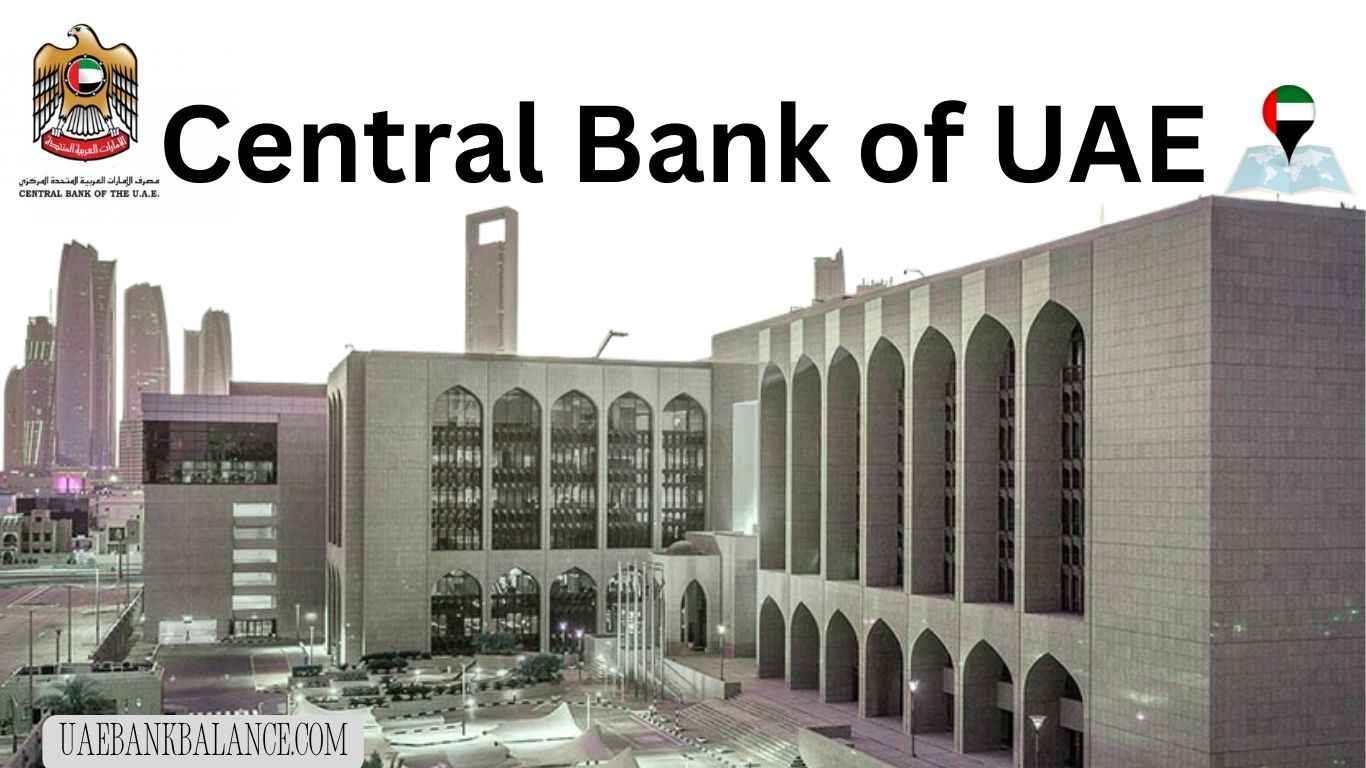
Central Bank of UAE
The UAE banking system is considered one of the most stable and tightly regulated financial systems in the Middle East — and the institution responsible for this stability is the United Arab Emirates’ central bank. From protecting customer rights and regulating banks to controlling monetary policy and supervising financial institutions, the Central Bank of UAE plays a critical role in everyday banking services used by residents, businesses, and investors.
Whether you want to file a complaint against a bank, understand banking regulations, check financial policies, or learn how the UAE financial system operates, this guide explains everything in clear, practical detail.
What the Central Bank of UAE Does
The Central Bank is the highest financial regulatory authority in the country. It supervises and regulates:
Commercial banks
Islamic banks
Finance companies
Exchange houses
Payment service providers
Digital wallets and fintech institutions
Its main responsibilities include maintaining financial stability, protecting customers, controlling inflation, issuing currency, and ensuring banks operate under strict legal standards.
For everyday users, the Central Bank acts as a regulator that protects banking customers and resolves disputes with financial institutions.
Key Functions That Affect UAE Residents
Most residents interact indirectly with the Central Bank through policies and regulations that control banking services.
Banking Regulation and Supervision
The Central Bank ensures banks follow strict rules for lending, fees, account services, and customer protection. It monitors financial risks and ensures institutions remain financially stable.
Consumer Protection and Banking Complaints
Customers can submit complaints if banks fail to resolve issues such as:
Unauthorized charges
Account disputes
Loan or credit card problems
Service delays
Unfair banking practices
The Central Bank reviews cases and may intervene if customer rights are violated.
Monetary Policy and Currency Stability
The authority regulates interest rates, manages liquidity in the banking system, and maintains stability of the UAE Dirham.
Licensing Financial Institutions
Banks, exchange houses, and finance companies must receive approval before operating in the UAE.
Financial Crime Prevention
It enforces anti-money laundering regulations and monitors suspicious financial activities.
Central Bank Consumer Protection — Banking Complaint Process
One of the most important services for residents is the customer complaint system. If a bank does not resolve your issue, you can escalate the case.
Step 1: Contact Your Bank First
Customers must first raise the issue with their bank’s customer service.
Step 2: Submit Complaint to Central Bank
If unresolved, submit a complaint through the official Central Bank consumer protection system.
You will need:
Emirates ID
Account details
Complaint description
Supporting documents
Step 3: Investigation and Resolution
The Central Bank reviews the case and contacts the bank for resolution. Processing time varies depending on complexity.
This process provides strong protection for UAE banking customers.
Banking Rules Set by the Central Bank
Many rules affecting daily banking come directly from Central Bank regulations.
Loan and Credit Regulations
Banks must follow strict rules when issuing personal loans, car loans, and credit cards. These rules control interest rates, fees, and customer eligibility.
Account Opening Requirements
KYC (Know Your Customer) rules require identity verification for all accounts.
Banking Fees Transparency
Banks must clearly disclose all service charges.
Salary Protection System (WPS)
The Central Bank regulates salary transfers to ensure employees receive wages properly.
Islamic Banking Compliance
Islamic banks must follow Sharia-compliant financial rules under supervision.
Central Bank of UAE Working Hours
The Central Bank primarily deals with financial institutions rather than walk-in retail customers. However, general office hours typically follow government working schedules.
Monday to Thursday: 7:30 AM – 3:30 PM
Friday: 7:30 AM – 12:00 PM
Saturday and Sunday: Closed
Customer complaint services and digital platforms remain accessible online.
Central Bank Digital Services
The UAE financial regulator provides several digital services for residents and businesses.
Consumer complaint submission
Financial institution verification
Banking regulation updates
Financial stability reports
Policy announcements
Payment system regulation
These services help customers understand their rights and banking rules.
How Central Bank Policies Affect Everyday Banking
Even if customers do not directly interact with the Central Bank, its policies shape daily banking services such as:
Interest rates on loans
Credit card regulations
Banking fees
Account requirements
ATM and payment rules
Financial security standards
These policies ensure safe and transparent financial operations across the UAE.
Central Bank Role in UAE Financial Stability
The Central Bank plays a major role in maintaining economic stability. It manages currency reserves, monitors inflation, supervises financial risks, and ensures banks maintain adequate capital.
During global financial changes, it introduces policies to protect the banking system and support economic growth.
This strong regulatory framework is one reason the UAE banking sector remains highly trusted internationally.
Difference Between Central Bank and Commercial Banks
Many customers confuse regulatory authorities with retail banks.
The Central Bank does not provide:
Personal bank accounts
Credit cards
Loans
Deposits
ATM services
Instead, it regulates institutions that provide these services.
Customers visit commercial banks for financial services and approach the Central Bank mainly for regulatory issues or complaints.
Why the Central Bank Is Important for UAE Residents
For residents and businesses, the Central Bank ensures:
Safe banking environment
Customer protection
Transparent financial services
Stable currency value
Fair lending practices
Secure financial system
It acts as the backbone of the country’s financial infrastructure.
Frequently Asked Questions
What is the Central Bank of UAE?
It is the main financial authority that regulates banks and protects banking customers in the UAE.
Can I open an account at the Central Bank?
No, it does not provide personal banking services.
How can I complain about a bank in UAE?
First contact your bank, then submit a complaint through the Central Bank consumer protection system.
Does the Central Bank control loan interest rates?
Yes, it regulates lending policies and banking rules.
Does the Central Bank handle customer disputes with banks?
Yes, it investigates unresolved banking complaints.